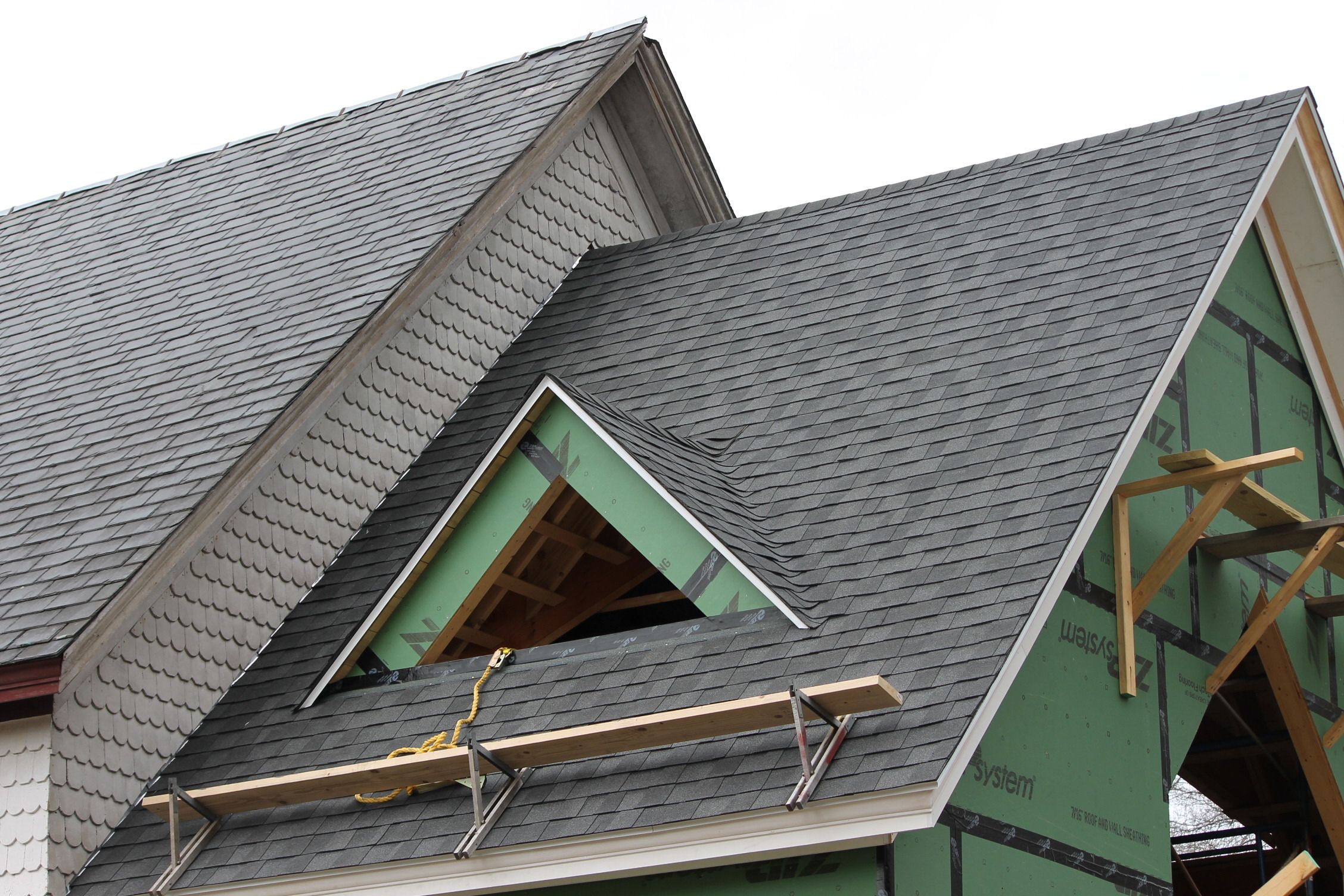
Roof repairs can be a significant expense for homeowners, but addressing issues promptly and strategically can help you save money without compromising on quality. Here’s a comprehensive guide to cost-effective roof repair practices that ensure durability and safety.
- Conduct Regular Roof Maintenance
Regular maintenance is the first line of defense against costly repairs. Simple tasks like cleaning gutters, removing debris, and trimming overhanging branches can prevent water damage and prolong the life of your roof. Regular inspections allow you to catch minor issues before they escalate into major problems.
- Address Minor Issues Promptly
Ignoring small leaks or damaged shingles can lead to more extensive damage over time. Addressing minor issues promptly can prevent water infiltration, mold growth, and structural damage, saving you from expensive repairs down the line.
- Choose Cost-Effective Roofing Materials
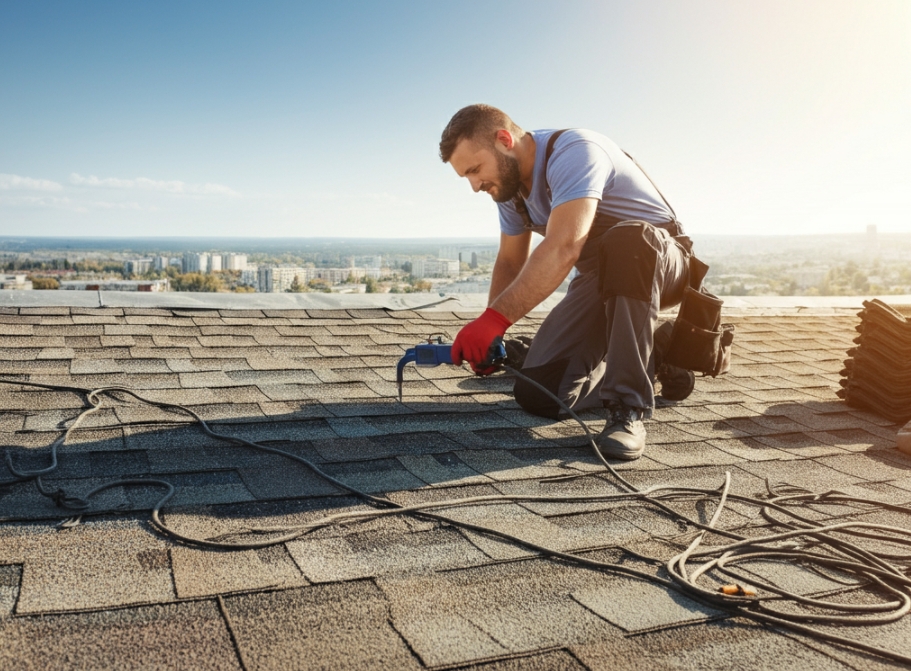
Selecting the right materials can significantly impact repair costs. Opt for durable yet affordable materials like asphalt shingles, which offer a balance between cost and longevity. Avoid cheap alternatives that may save money initially but lead to higher maintenance costs in the future.
- Obtain Multiple Quotes from Reputable Contractors
Before committing to a repair, obtain multiple quotes from licensed and insured roofing contractors. Comparing estimates helps you understand the market rate and ensures you’re not overpaying. However, be wary of extremely low bids, as they may indicate subpar materials or workmanship.
- Schedule Repairs During Off-Peak Seasons
Roofing companies often experience peak demand during certain seasons. Scheduling repairs during off-peak times, such as late winter or early spring, can lead to lower labor costs and potential discounts.
- Check Insurance and Warranty Coverage
Review your homeowners’ insurance policy to determine if it covers roof repairs. If damage is caused by covered events like storms or fallen trees, your insurance may help offset repair costs. Additionally, check if your roof is still under warranty, as some manufacturers offer coverage for defects.
- Consider Roof Overlays
If your roof’s structure is still sound, a roof overlay can be a cost-effective alternative to a full replacement. This involves installing new shingles over existing ones, saving on labor and disposal costs. However, ensure the underlying roof is in good condition to support the overlay.
- Perform DIY Repairs When Safe and Feasible
For minor repairs, such as replacing a few shingles or sealing small leaks, consider doing it yourself. This can save on labor costs. However, ensure you have the necessary skills and safety equipment, and avoid tackling repairs that require specialized knowledge or equipment.
- Invest in Quality Materials for Long-Term Savings
While quality materials may have a higher upfront cost, they can lead to long-term savings by reducing the frequency of repairs and enhancing energy efficiency. For example, energy-efficient roofing materials can lower heating and cooling costs over time.
- Maintain Proper Roof Ventilation
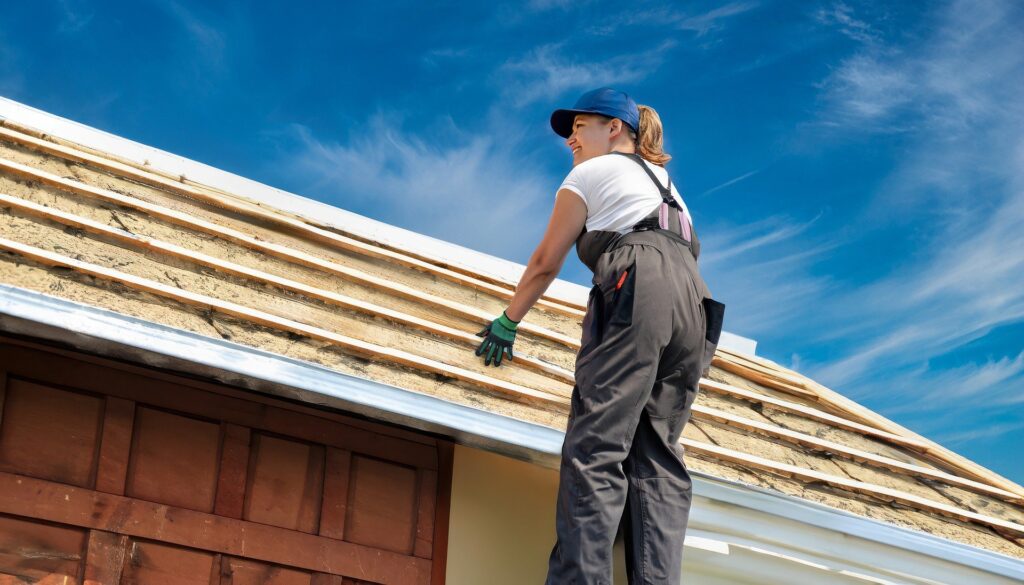
Proper ventilation helps regulate temperature and moisture levels in your attic, preventing issues like ice dams and mold growth. Ensuring adequate ventilation can extend the life of your roof and reduce repair needs.
Saving money on roof repairs doesn’t mean cutting corners; it involves proactive maintenance, informed decision-making, and strategic planning. By following these guidelines, you can ensure your roof remains in good condition without overspending. Remember, a well-maintained roof not only protects your home but also preserves its value.