How to Save Money on Roof Repair Without Cutting Corners


Roof repairs can be a significant expense for homeowners, but addressing issues promptly and strategically can help you save money without compromising on quality. Here’s a comprehensive guide to cost-effective roof repair practices that ensure durability and safety.

  1. Conduct Regular Roof Maintenance

Regular maintenance is the first line of defense against costly repairs. Simple tasks like cleaning gutters, removing debris, and trimming overhanging branches can prevent water damage and prolong the life of your roof. Regular inspections allow you to catch minor issues before they escalate into major problems.

  1. Address Minor Issues Promptly

Ignoring small leaks or damaged shingles can lead to more extensive damage over time. Addressing minor issues promptly can prevent water infiltration, mold growth, and structural damage, saving you from expensive repairs down the line.

  1. Choose Cost-Effective Roofing Materials
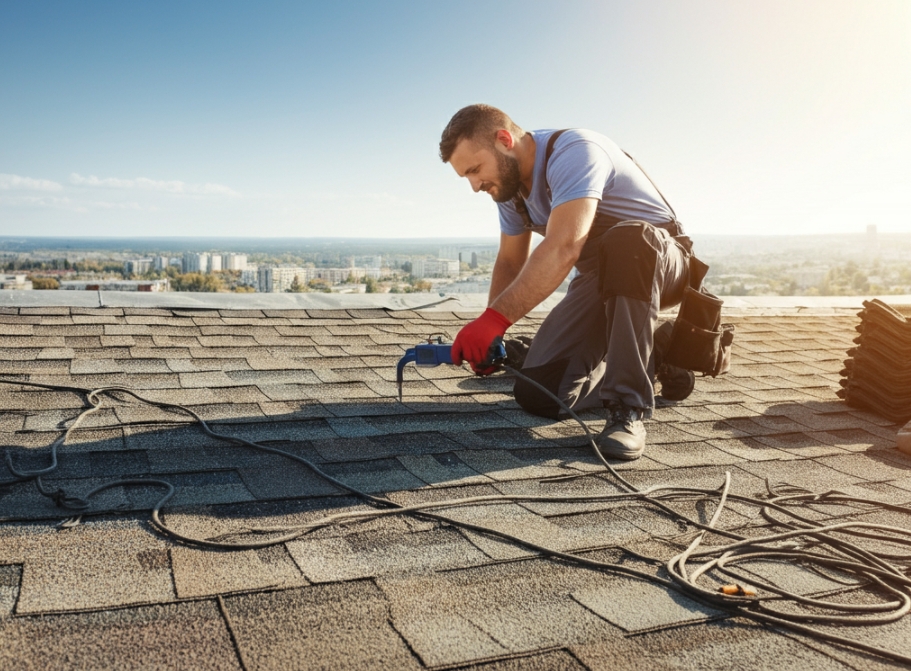
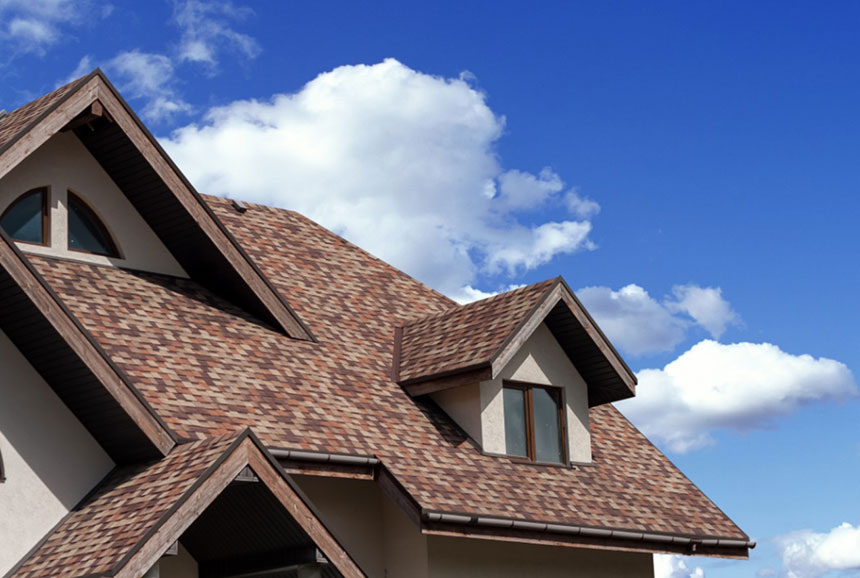
Selecting the right materials can significantly impact repair costs. Opt for durable yet affordable materials like asphalt shingles, which offer a balance between cost and longevity. Avoid cheap alternatives that may save money initially but lead to higher maintenance costs in the future.

  1. Obtain Multiple Quotes from Reputable Contractors

Before committing to a repair, obtain multiple quotes from licensed and insured roofing contractors. Comparing estimates helps you understand the market rate and ensures you’re not overpaying. However, be wary of extremely low bids, as they may indicate subpar materials or workmanship.

  1. Schedule Repairs During Off-Peak Seasons

Roofing companies often experience peak demand during certain seasons. Scheduling repairs during off-peak times, such as late winter or early spring, can lead to lower labor costs and potential discounts.

  1. Check Insurance and Warranty Coverage

Review your homeowners’ insurance policy to determine if it covers roof repairs. If damage is caused by covered events like storms or fallen trees, your insurance may help offset repair costs. Additionally, check if your roof is still under warranty, as some manufacturers offer coverage for defects.

  1. Consider Roof Overlays

If your roof’s structure is still sound, a roof overlay can be a cost-effective alternative to a full replacement. This involves installing new shingles over existing ones, saving on labor and disposal costs. However, ensure the underlying roof is in good condition to support the overlay.

  1. Perform DIY Repairs When Safe and Feasible

For minor repairs, such as replacing a few shingles or sealing small leaks, consider doing it yourself. This can save on labor costs. However, ensure you have the necessary skills and safety equipment, and avoid tackling repairs that require specialized knowledge or equipment.

  1. Invest in Quality Materials for Long-Term Savings

While quality materials may have a higher upfront cost, they can lead to long-term savings by reducing the frequency of repairs and enhancing energy efficiency. For example, energy-efficient roofing materials can lower heating and cooling costs over time.
  1. Maintain Proper Roof Ventilation

Proper ventilation helps regulate temperature and moisture levels in your attic, preventing issues like ice dams and mold growth. Ensuring adequate ventilation can extend the life of your roof and reduce repair needs.

Saving money on roof repairs doesn’t mean cutting corners; it involves proactive maintenance, informed decision-making, and strategic planning. By following these guidelines, you can ensure your roof remains in good condition without overspending. Remember, a well-maintained roof not only protects your home but also preserves its value.
Eco-Friendly Roofing Options You Should Consider

In an era where sustainability is paramount, homeowners are increasingly seeking ways to reduce their carbon footprint. One significant yet often overlooked aspect is the roof over our heads. Traditional roofing materials can contribute to environmental degradation, but fortunately, there are eco-friendly alternatives that not only benefit the planet but also offer long-term advantages for homeowners. Here’s a comprehensive guide to sustainable roofing options you should consider.

Why Choose Eco-Friendly Roofing?

Opting for sustainable roofing materials offers several benefits:

  • Energy Efficiency: Eco-friendly roofs often have reflective properties, reducing heat absorption and lowering cooling costs.
  • Durability: Many sustainable materials are more durable, leading to fewer replacements and less waste.
  • Aesthetic Appeal: Modern eco-friendly roofs come in various styles that can enhance your home’s appearance.
  • Environmental Impact: Using recycled or natural materials reduces resource depletion and pollution.

Top Eco-Friendly Roofing Materials

  1. Metal Roofing

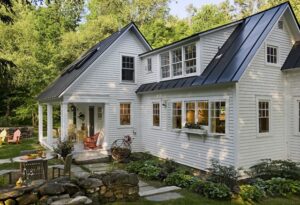
Metal roofs, made from materials like aluminum or steel, are highly durable and recyclable. They reflect solar radiant heat, which can reduce cooling costs by up to 25%. Additionally, metal roofs have a long lifespan, often exceeding 50 years, and can be made from recycled materials, further minimizing environmental impact.

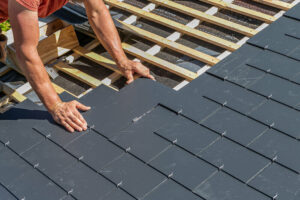
  1. Clay and Slate Tiles

Clay and slate tiles are natural materials known for their longevity and aesthetic appeal. They are fire-resistant and can last over 100 years, reducing the need for frequent replacements. These materials also have excellent thermal mass, helping to regulate indoor temperatures.

  1. Recycled Shingles

Recycled shingles are made from materials like rubber, plastic, or reclaimed wood, diverting waste from landfills. These shingles are durable, lightweight, and can mimic the appearance of traditional roofing materials. They also contribute to energy efficiency by reflecting heat.

  1. Green Roofs

Green roofs, or living roofs, are covered with vegetation planted over a waterproof membrane. They provide natural insulation, reduce stormwater runoff, and promote biodiversity. However, they require structural support and regular maintenance.

  1. Cool Roofs

Cool roofs are designed to reflect more sunlight and absorb less heat than standard roofs. They can be made from reflective coatings or reflective tiles and shingles. By reducing heat absorption, cool roofs can lower cooling energy costs and mitigate urban heat island effects.

Financial and Environmental Benefits

Cost Savings

While the initial investment in eco-friendly roofing materials may be higher, the long-term savings are significant. Energy-efficient roofs can reduce cooling costs by up to 25%, and their durability means fewer replacements and repairs.

Increased Property Value

Homes with sustainable features, including eco-friendly roofs, often have higher resale values. Potential buyers are increasingly looking for energy-efficient and environmentally responsible homes.

Environmental Impact

By choosing sustainable roofing materials, homeowners contribute to reducing greenhouse gas emissions, conserving natural resources, and minimizing waste. Recycled and natural materials help decrease the demand for virgin resources and reduce landfill waste.

Considerations Before Installation

Before opting for an eco-friendly roof, consider the following:

  • Climate: Choose materials suitable for your local climate. For instance, cool roofs are ideal for hot climates but may not be necessary in cooler regions.
  • Structural Integrity: Ensure your home’s structure can support the weight of certain materials, like green roofs or clay tiles.
  • Budget: While eco-friendly roofs can be more expensive initially, calculate the long-term savings to determine the best investment.
  • Maintenance: Some materials, like green roofs, require regular maintenance to ensure their longevity and effectiveness.

Investing in an eco-friendly roof is a proactive step towards sustainability. By choosing materials that are energy-efficient, durable, and environmentally responsible, homeowners can enjoy long-term savings, increased property value, and contribute positively to the planet. Whether you’re building a new home or replacing an old roof, consider these sustainable options to make a lasting impact.

Roofing Boise, Idaho: How to Prepare Your Roof for Wildfire Season

As wildfire seasons become more intense and prolonged, homeowners in Boise, Idaho, must take proactive measures to protect their properties. The unique climate of the Treasure Valley—with its hot, dry summers and cold, snowy winters—requires specific roofing strategies to safeguard homes against wildfires.

Understanding the Wildfire Risk in Boise

Boise’s proximity to the foothills and expansive dry vegetation places it at significant risk during wildfire season. The combination of high temperatures, dry conditions, and increased human activity in vulnerable areas has heightened the threat of wildfires, as evidenced by past incidents like the Valley and Plex Fires. Local authorities, including the Boise Fire Department, have emphasized the importance of preparedness, urging residents to take proactive steps to safeguard their homes and communities from the increasing threat of wildfires.

  1. Clean and Maintain Your Roof

Regular maintenance is crucial in preventing roof fires. Homeowners should clear leaves, pine needles, and other flammable debris from roofs, gutters, decks, and yards. These materials can easily ignite from flying embers, leading to potential roof fires.

  1. Install Fire-Resistant Roofing Materials

Opting for fire-resistant roofing materials can significantly reduce the risk of roof fires. Materials such as metal roofing, clay tiles, or specially treated asphalt shingles are designed to withstand high temperatures and prevent ignition. Additionally, using fire-resistant materials for eaves and soffits can help prevent flames from entering the attic space.

  1. Screen Vents and Openings

Small openings like attic vents, dryer vents, and soffit vents can serve as entry points for embers. Installing 1/8-inch wire mesh screens over these openings can prevent embers from entering the home, thereby reducing the risk of ignition.

  1. Trim Overhanging Branches

Tree branches extending over the roof can drop leaves and needles, increasing the amount of combustible material on the roof. Trimming these branches back at least 10 feet from the roofline can help minimize this risk.

  1. Create Defensible Space Around Your Home

Establishing a defensible space involves creating a buffer zone around your home where vegetation is cleared or reduced. This zone should extend at least 30 feet from all structures and include:

  • Removing dead vegetation and debris.
  • Trimming tree branches to prevent fire from spreading to structures.
  • Storing firewood and other combustibles away from structures.
  • Maintaining a fire-resistant zone to give firefighters a safe area to work.
  1. Utilize Reflective Roof Treatments

Applying a reflective roof treatment can help reduce the roof’s surface temperature, making it less susceptible to ignition. This treatment can also provide energy savings by reducing cooling costs during hot summer months.

  1. Regularly Inspect and Maintain Your Roof

Routine inspections can help identify potential vulnerabilities in your roof. Look for damaged shingles, rusted flashing, or other signs of wear that could compromise the roof’s integrity. Addressing these issues promptly can prevent larger problems in the future.

  1. Consider Solar Panel Maintenance

While solar panels themselves are not inherently fire hazards, debris accumulation underneath them can pose a risk. Regular cleaning and maintenance of solar panels can ensure they do not become a source of ignition during a wildfire.

  1. Stay Informed and Prepared

Staying informed about wildfire risks and preparedness measures is essential. Sign up for local emergency alerts, stay updated on fire weather conditions, and have an evacuation plan in place. Being proactive can make a significant difference in protecting your home and loved ones.

Preparing your roof for wildfire season in Boise, Idaho, involves a combination of regular maintenance, strategic upgrades, and informed decision-making. By taking these steps, homeowners can enhance their property’s resilience against wildfires and contribute to the safety of their community. Remember, the roof is your first line of defense—ensure it’s ready for the challenge.