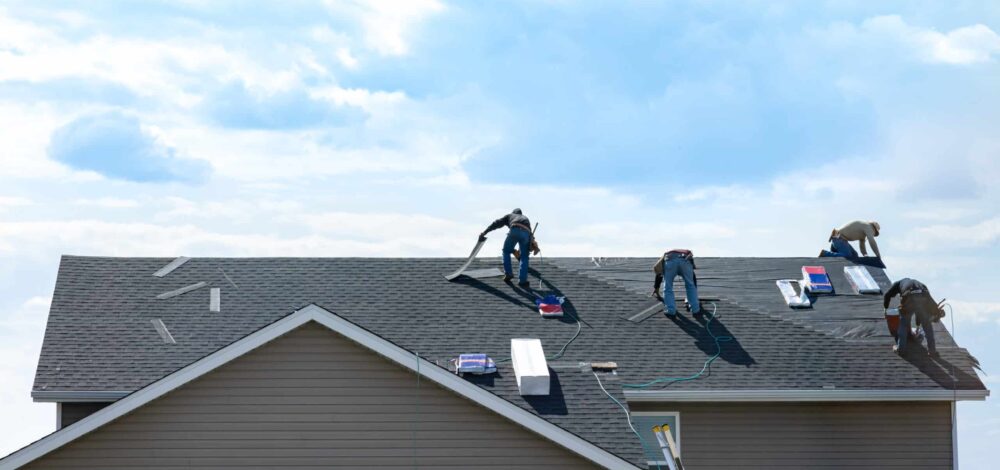
In an era where sustainability is paramount, homeowners are increasingly seeking ways to reduce their carbon footprint. One significant yet often overlooked aspect is the roof over our heads. Traditional roofing materials can contribute to environmental degradation, but fortunately, there are eco-friendly alternatives that not only benefit the planet but also offer long-term advantages for homeowners. Here’s a comprehensive guide to sustainable roofing options you should consider.
Why Choose Eco-Friendly Roofing?
Opting for sustainable roofing materials offers several benefits:
 Energy Efficiency: Eco-friendly roofs often have reflective properties, reducing heat absorption and lowering cooling costs.
- Durability: Many sustainable materials are more durable, leading to fewer replacements and less waste.
- Aesthetic Appeal: Modern eco-friendly roofs come in various styles that can enhance your home’s appearance.
- Environmental Impact: Using recycled or natural materials reduces resource depletion and pollution.
Top Eco-Friendly Roofing Materials
- Metal Roofing
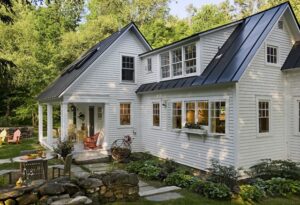
Metal roofs, made from materials like aluminum or steel, are highly durable and recyclable. They reflect solar radiant heat, which can reduce cooling costs by up to 25%. Additionally, metal roofs have a long lifespan, often exceeding 50 years, and can be made from recycled materials, further minimizing environmental impact.
- Clay and Slate Tiles
Clay and slate tiles are natural materials known for their longevity and aesthetic appeal. They are fire-resistant and can last over 100 years, reducing the need for frequent replacements. These materials also have excellent thermal mass, helping to regulate indoor temperatures.
- Recycled Shingles
Recycled shingles are made from materials like rubber, plastic, or reclaimed wood, diverting waste from landfills. These shingles are durable, lightweight, and can mimic the appearance of traditional roofing materials. They also contribute to energy efficiency by reflecting heat.
- Green Roofs
Green roofs, or living roofs, are covered with vegetation planted over a waterproof membrane. They provide natural insulation, reduce stormwater runoff, and promote biodiversity. However, they require structural support and regular maintenance.
- Cool Roofs
Cool roofs are designed to reflect more sunlight and absorb less heat than standard roofs. They can be made from reflective coatings or reflective tiles and shingles. By reducing heat absorption, cool roofs can lower cooling energy costs and mitigate urban heat island effects.
Financial and Environmental Benefits
Cost Savings
While the initial investment in eco-friendly roofing materials may be higher, the long-term savings are significant. Energy-efficient roofs can reduce cooling costs by up to 25%, and their durability means fewer replacements and repairs.
Increased Property Value
Homes with sustainable features, including eco-friendly roofs, often have higher resale values. Potential buyers are increasingly looking for energy-efficient and environmentally responsible homes.
Environmental Impact
By choosing sustainable roofing materials, homeowners contribute to reducing greenhouse gas emissions, conserving natural resources, and minimizing waste. Recycled and natural materials help decrease the demand for virgin resources and reduce landfill waste.
Considerations Before Installation
Before opting for an eco-friendly roof, consider the following:
- Climate: Choose materials suitable for your local climate. For instance, cool roofs are ideal for hot climates but may not be necessary in cooler regions.
- Structural Integrity: Ensure your home’s structure can support the weight of certain materials, like green roofs or clay tiles.
- Budget: While eco-friendly roofs can be more expensive initially, calculate the long-term savings to determine the best investment.
- Maintenance: Some materials, like green roofs, require regular maintenance to ensure their longevity and effectiveness.
Investing in an eco-friendly roof is a proactive step towards sustainability. By choosing materials that are energy-efficient, durable, and environmentally responsible, homeowners can enjoy long-term savings, increased property value, and contribute positively to the planet. Whether you’re building a new home or replacing an old roof, consider these sustainable options to make a lasting impact.