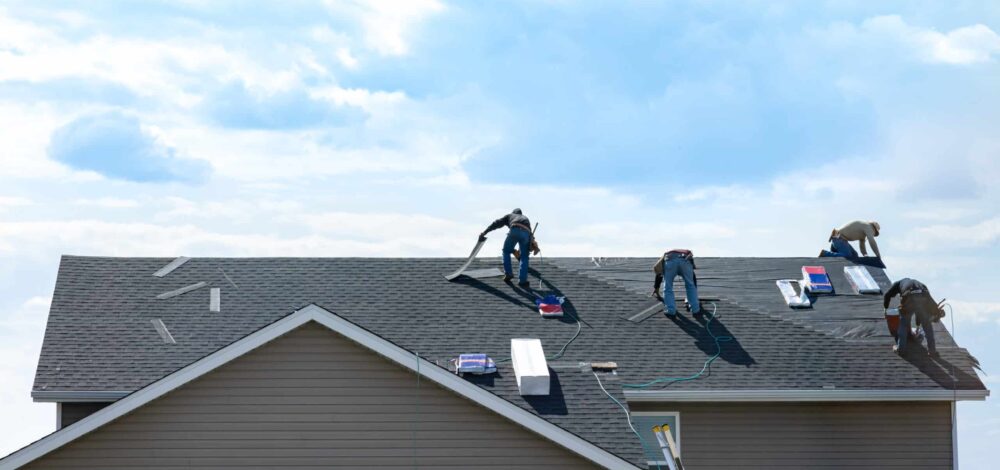
As wildfire seasons become more intense and prolonged, homeowners in Boise, Idaho, must take proactive measures to protect their properties. The unique climate of the Treasure Valley—with its hot, dry summers and cold, snowy winters—requires specific roofing strategies to safeguard homes against wildfires.
Understanding the Wildfire Risk in Boise
Boise’s proximity to the foothills and expansive dry vegetation places it at significant risk during wildfire season. The combination of high temperatures, dry conditions, and increased human activity in vulnerable areas has heightened the threat of wildfires, as evidenced by past incidents like the Valley and Plex Fires. Local authorities, including the Boise Fire Department, have emphasized the importance of preparedness, urging residents to take proactive steps to safeguard their homes and communities from the increasing threat of wildfires.
- Clean and Maintain Your Roof
Regular maintenance is crucial in preventing roof fires. Homeowners should clear leaves, pine needles, and other flammable debris from roofs, gutters, decks, and yards. These materials can easily ignite from flying embers, leading to potential roof fires.
- Install Fire-Resistant Roofing Materials
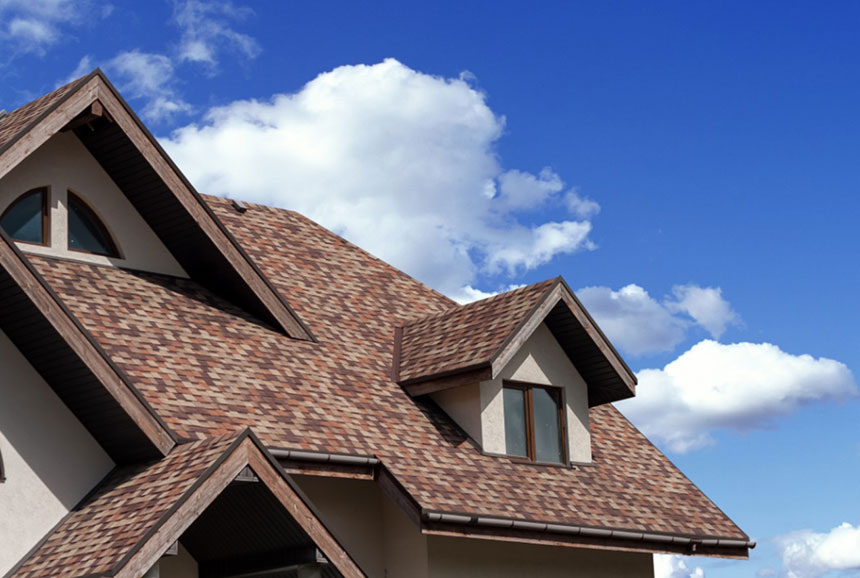
Opting for fire-resistant roofing materials can significantly reduce the risk of roof fires. Materials such as metal roofing, clay tiles, or specially treated asphalt shingles are designed to withstand high temperatures and prevent ignition. Additionally, using fire-resistant materials for eaves and soffits can help prevent flames from entering the attic space.
- Screen Vents and Openings
Small openings like attic vents, dryer vents, and soffit vents can serve as entry points for embers. Installing 1/8-inch wire mesh screens over these openings can prevent embers from entering the home, thereby reducing the risk of ignition.
- Trim Overhanging Branches
Tree branches extending over the roof can drop leaves and needles, increasing the amount of combustible material on the roof. Trimming these branches back at least 10 feet from the roofline can help minimize this risk.
- Create Defensible Space Around Your Home
Establishing a defensible space involves creating a buffer zone around your home where vegetation is cleared or reduced. This zone should extend at least 30 feet from all structures and include:
- Removing dead vegetation and debris.
- Trimming tree branches to prevent fire from spreading to structures.
- Storing firewood and other combustibles away from structures.
- Maintaining a fire-resistant zone to give firefighters a safe area to work.
- Utilize Reflective Roof Treatments
Applying a reflective roof treatment can help reduce the roof’s surface temperature, making it less susceptible to ignition. This treatment can also provide energy savings by reducing cooling costs during hot summer months.
- Regularly Inspect and Maintain Your Roof
 Routine inspections can help identify potential vulnerabilities in your roof. Look for damaged shingles, rusted flashing, or other signs of wear that could compromise the roof’s integrity. Addressing these issues promptly can prevent larger problems in the future.
- Consider Solar Panel Maintenance
While solar panels themselves are not inherently fire hazards, debris accumulation underneath them can pose a risk. Regular cleaning and maintenance of solar panels can ensure they do not become a source of ignition during a wildfire.
- Stay Informed and Prepared
Staying informed about wildfire risks and preparedness measures is essential. Sign up for local emergency alerts, stay updated on fire weather conditions, and have an evacuation plan in place. Being proactive can make a significant difference in protecting your home and loved ones.
Preparing your roof for wildfire season in Boise, Idaho, involves a combination of regular maintenance, strategic upgrades, and informed decision-making. By taking these steps, homeowners can enhance their property’s resilience against wildfires and contribute to the safety of their community. Remember, the roof is your first line of defense—ensure it’s ready for the challenge.